

Pro Tips for a Tailored Jacket’s Fit

Beyond “Does It Fit?”
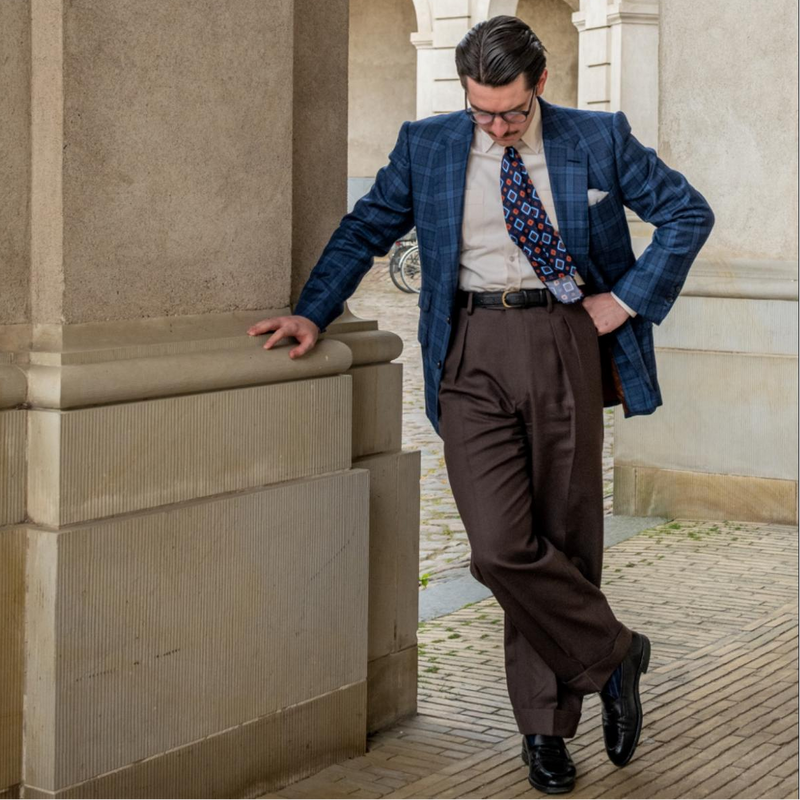
At Shepherd’s, we do more than just make sure your custom jacket fits – it matters that our pieces genuinely flatter you, too. A tailored jacket is not merely the right size – it’s a harmony between your body’s stature, proportion, and movement that conveys the deliberateness and panache of the wearer.
When executed well, the fit enhances your natural frame, drapes cleanly in motion, and ages gracefully with wear. This guide goes beyond the basics to help you recognize what makes a Shepherd’s jacket’s fit not just “close enough,” but exceptional.
The Foundations – Fit in Its Simplest Form
Before refining, ensure the fundamentals are in place:
-
Shoulders: The seam should meet precisely at the edge of your shoulder – neither puckering nor stretching.
-
Collar & Back: The jacket collar should rest smoothly against your shirt collar, without gaps or “sink.”
-
Chest & Waist: A gentle taper at the waist creates shape without tension. The chest should feel natural, not restricted, and the lapels should lay flat against the chest.
-
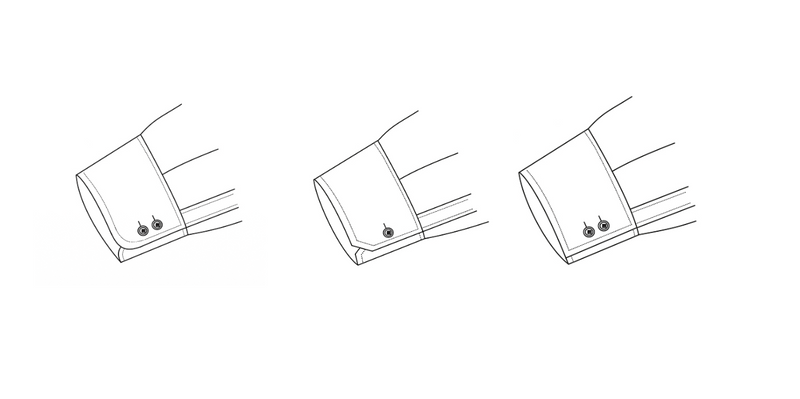
Sleeve Length: Ideally, one-fourth to one-half inch of shirt cuff should show – a good rule of thumb is to have it hit at the bend in the wrist.
-
Jacket Length: The hem should cover your seat but never hang past it, preserving balance and proportion, and should have enough fabric to ensure the vent is not open in the back.
Once these are in order, you’re ready to focus on the subtle refinements that define expert tailoring.
The Refinements – What Separates Good from Great
1. Button Stance & Proportional Balance
The placement of the front button (or “waist button”) determines visual balance. A slightly higher stance can lengthen the legs and shorten the torso; a lower stance elongates the torso. The goal is alignment with your natural waistline – where your body bends – not an arbitrary midpoint.
2. Collar Fit & the Dreaded Gap
A refined jacket collar should hug the neck’s base without lifting or gaping when you move. A “collar gap” breaks the visual line from collar to lapel. Skilled tailors adjust the roll line or internal shaping to correct it – they are minute adjustments, but they have a huge impact.
3. Shoulder Slope & Pitch
No two shoulders are identical. The slope (angle downward from the neck) and pitch (forward rotation of the shoulder) affect how the jacket sits on your frame. If you have one shoulder lower, or a slightly forward posture, a tailor can compensate with padding or cut adjustments. Creating symmetry in appearance – even when the body isn’t perfectly symmetrical – is the mark of expert fitting.
4. Drape & Freedom of Movement
The back and underarms should remain smooth as you move. Excess fabric beneath the blades or tension lines across the back signal misaligned armholes or poor drape. Ideally, a jacket should allow you to gesture, shake hands, or sit comfortably without distortion.
5. Construction & Internal Architecture
Canvas construction – half or full – allows the jacket to breathe and mold to your shape over time, unlike fused jackets that remain flat and rigid. The presence of darts, vents, and shaping seams all influence how the jacket “hugs” the torso and moves with grace rather than stiffness.
6. Proportion & Style Harmony
Lapel width, button placement, jacket length – all should correspond to your body’s proportions.
- Shorter legs? A slightly shorter jacket and higher button stance elongate the frame.
- Broad shoulders? Balanced shoulder width and a moderated taper prevent boxiness.
The right proportions make the man look naturally well-built – never tailored “into” shape.
7. Future Adjustability
Bodies change. A well-made jacket allows modest alterations: letting out or taking in the waist, adjusting sleeve length, or correcting shoulder drop. Fused or poorly constructed jackets often lack this flexibility. Think of your jacket as an investment designed to evolve with you over time.
8. The Fit in Motion
A good fit is dynamic. Sit, walk, and move your arms – watch for strain at the buttons, puckering in the chest, or the telltale “X” shape when buttoned. The jacket should remain composed from every angle: front, side, and back.
Achieving the Ideal Fit – A Practical Process
-
Initial Measurement: Capture detailed dimensions – shoulders, chest, waist, arm length, torso, posture.
-
First Fitting: Assess shoulders, collar, and length first; then address subtler aspects like button stance and sleeve pitch.
-
Alteration Plan: Identify refinements – shoulder slope, back drape, waist suppression, collar roll.
-
Fabric & Construction Choice: Match material and build to your lifestyle (structured wool for business, soft tailoring for travel, and so on).
-
Test in Motion: Move naturally. A good jacket adapts to you, not the other way around.
-
Record the Blueprint: Once perfected, your Shepherd’s fitter will save your measurements and details for future garments. Consistency is the quiet luxury of a tailored wardrobe.
Advanced Fit Mistakes to Avoid
- Shoulder seam extending past shoulder line → oversized, sloppy profile.
- Collar gap or low collar set → ruins neck line and silhouette.
- Button stance placed too high/low → unbalanced proportions.
- Armholes too tight/loose → restricts movement or creates billowing.
- Jacket length off-balance → distorts silhouette.
- Visible pulling (“X” shape) across front → waist too tight or chest too narrow.
- Fabric construction mismatch → fused jackets limit drape and adjustability.
- Following trends instead of proportions → ultra-slim cuts rarely flatter real bodies.
The Art of the Ideal Fit
A well-tailored jacket is a collaboration between craftsman and wearer. It honors your posture, movement, and anatomy with precision. It turns fabric into something that looks like it was made for you alone – because it is.
When you pay attention to the finer details – collar roll, button stance, shoulder slope – you elevate your wardrobe from merely “well-dressed” to something deliberate and effortlessly stylish.
Because true elegance is about proportion, posture, and poise, all held together by the quiet intentionality of a jacket that fits you perfectly. If we’ve convinced you to try made-to-measure, take a look at our jacket collection to get you started www.shepherds.com/collections/sports-jackets